Longwool research and development
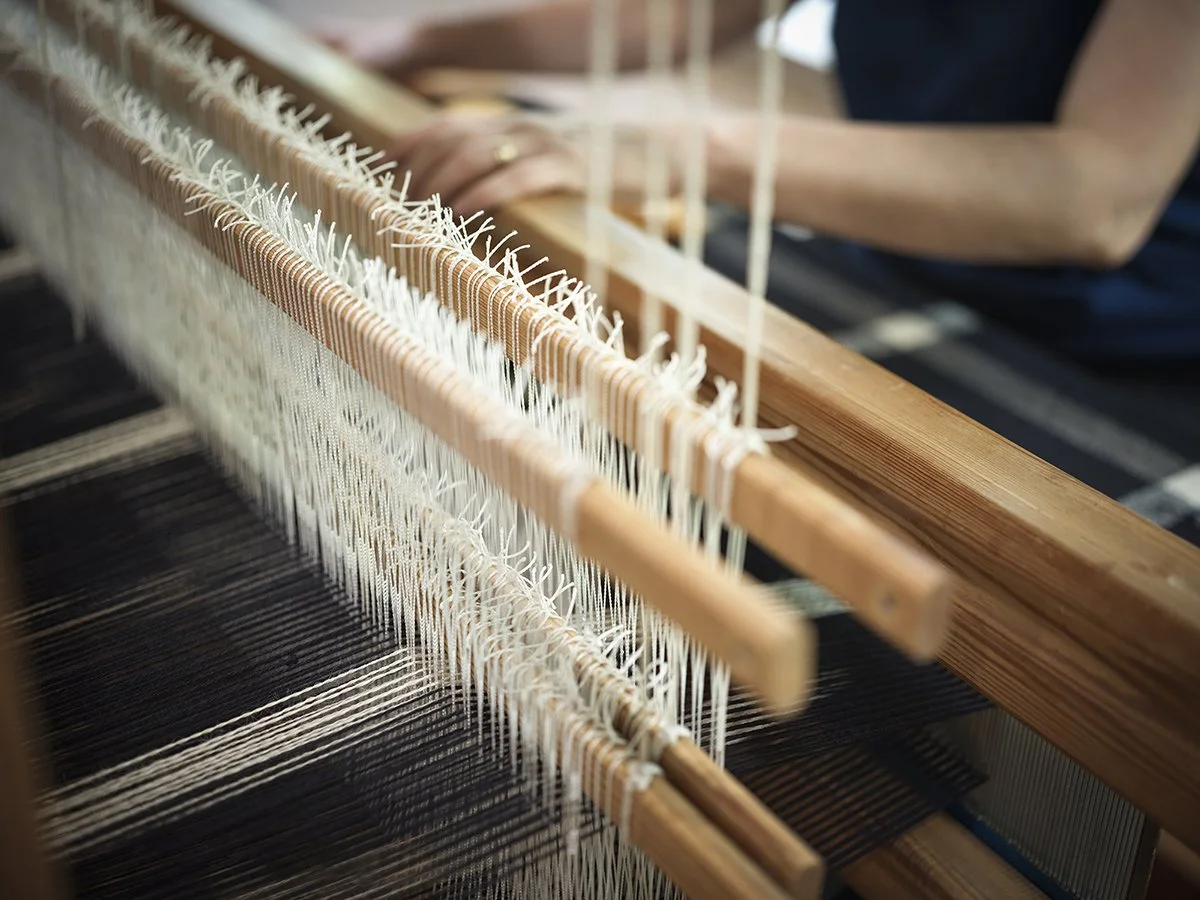
For the past three years, I have been following a long-standing curiosity at the intersection of historical textile knowledge and contemporary design, researching British longwool fleeces grown in New York's Finger Lakes region. Processing raw fiber to woven textile in my Newburgh studio, I am studying how these remarkable wools behave and where they belong in the modern interior.
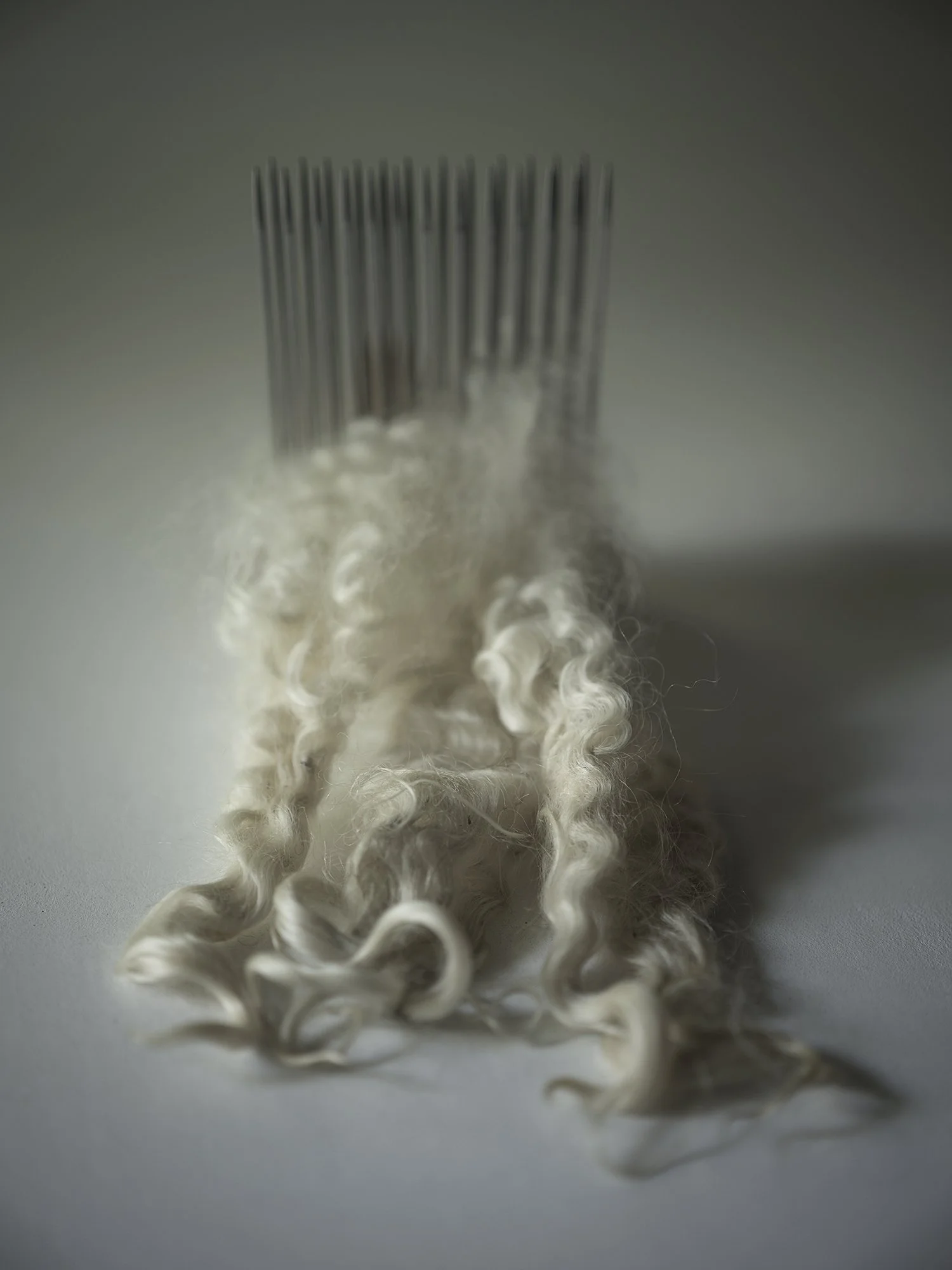
Longwools are unlike any other wool. Their locks grow up to ten inches or more, developing a natural luster closer to linen or silk than to the shorter wools most of us know. They drape rather than spring, resist shrinkage, and carry a strength and durability that made them the foundation of the great British worsteds of the 18th and 19th centuries – fabrics prized for upholstery, drapery, and tailoring across Europe. That tradition largely faded with industrialization. The breeds survived. The appreciation for what makes them exceptional did not.
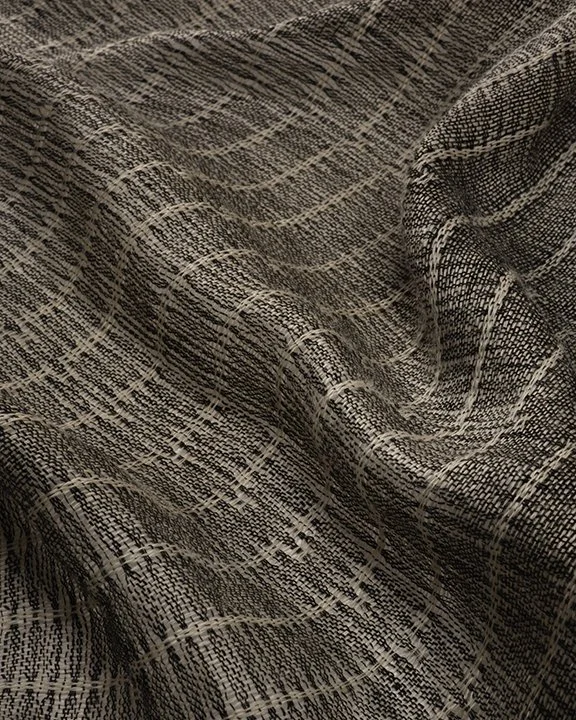
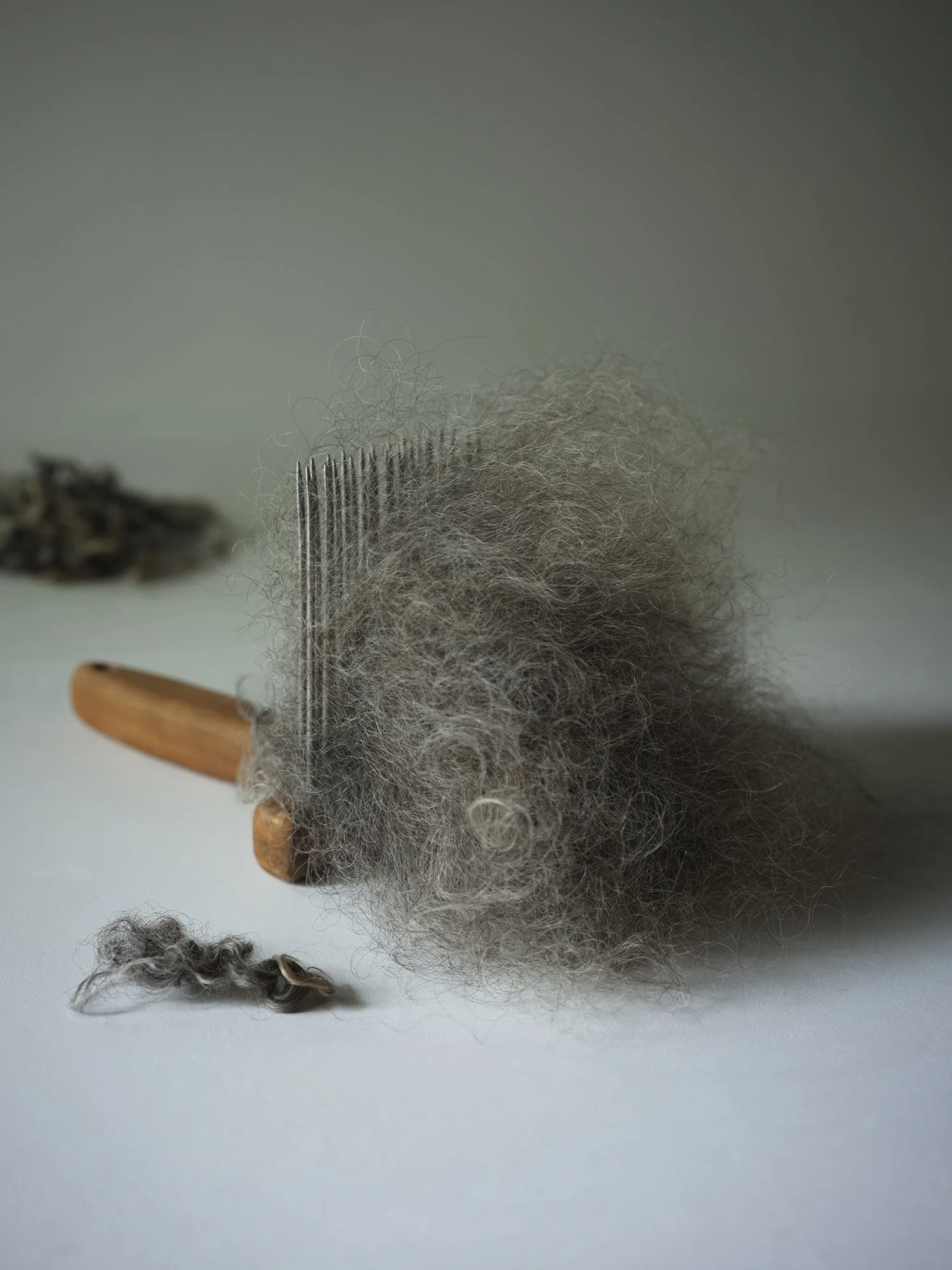
I am working to recover and reimagine that appreciation for the contemporary interior market. My research begins at the farm: sourcing Lincoln Longwool fleeces from Emmaline Long of Orchard View Farms in Bergen, New York, who has spent over twenty years working with the UK Lincoln Longwool Breeders Association to preserve heritage genetics and improve fiber quality. From there, the fiber moves slowly through washing, combing, and spinning before reaching the loom. Each step studied and refined with the demands of interior textiles in mind.
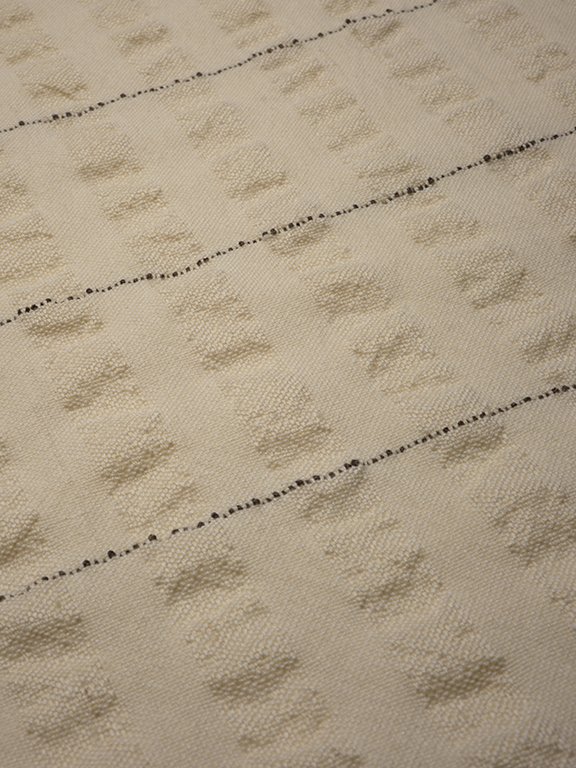
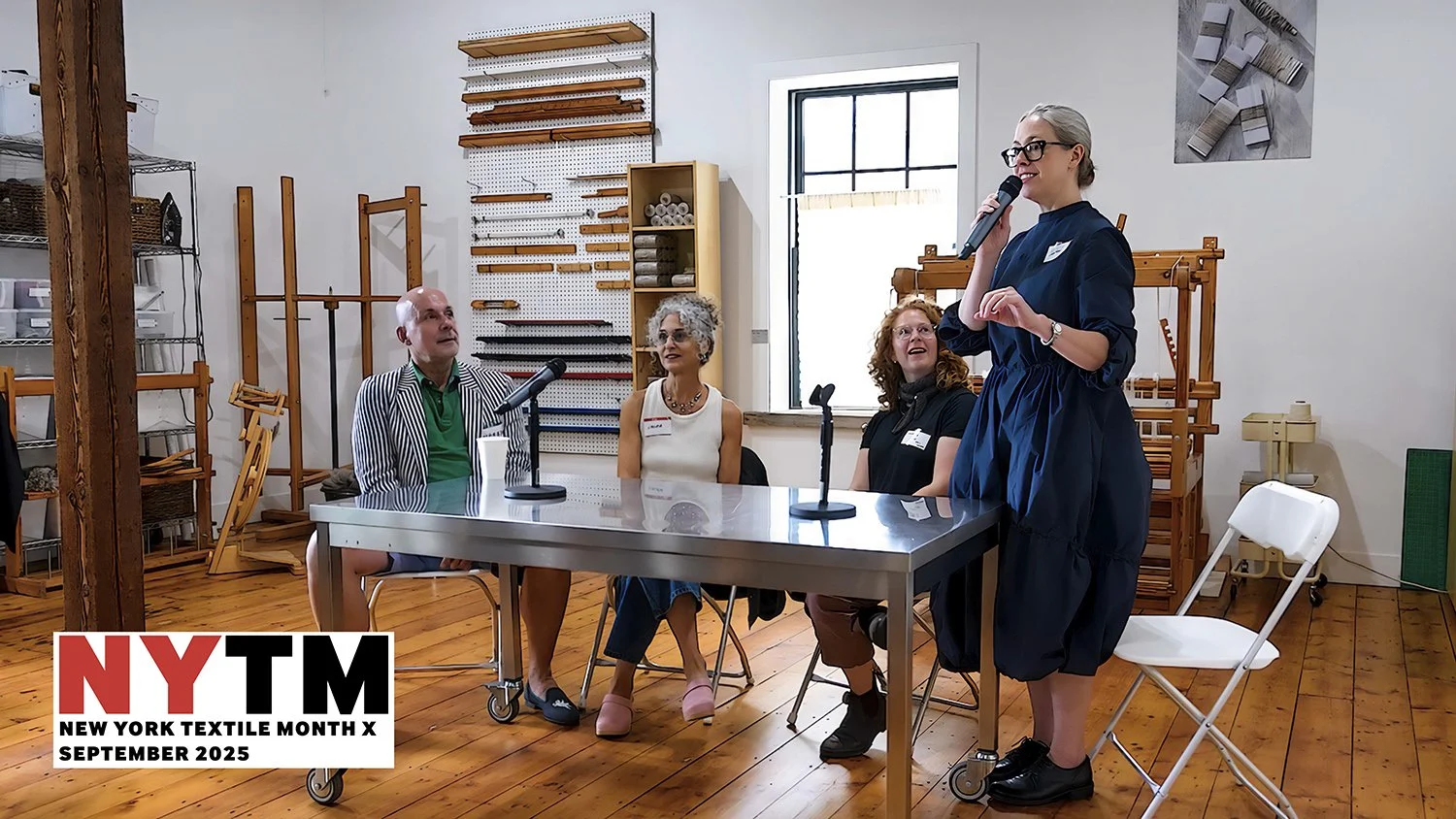
In 2025, I exhibited woven concept pieces at Manitoga and led a New York Textile Month studio talk on the design possibilities longwools offer for the modern interior. In 2026, I received a grant from the New York Fashion Innovation Center to take the work to the next stage: developing a market-ready collection of handwoven longwool tape trims. Additionally, I will begin the initial testing of millwoven drapery and upholstery textiles, building a coherent supply chain from New York farm to finished interior textile.
This is not the beginning of the story, just a new chapter in it. The farmers have been tending these breeds for generations; the work now is bringing them back to market.